Pleasant Dental | Emergency Treatment, Cosmetic Dentistry and Dental Fillings

Root Canals, Greensboro, NC

Being told you need a root canal can feel unsettling, but modern endodontic treatment is focused on relieving pain and preserving your natural tooth with minimal discomfort. A root canal is a targeted, well-established procedure designed to remove damaged tissue inside the tooth, stop infection, and restore function so you can return to eating and speaking normally.

At the office of Pleasant Dental, we prioritize gentle care and clear communication so patients understand their options and feel confident about treatment. Using up-to-date instruments and patient-centered techniques, our team aims to make the experience as calm and efficient as possible while protecting your long-term oral health.

Why saving a natural tooth matters

Keeping your natural tooth whenever it is reasonably possible provides advantages that are hard to fully replicate with replacements. A retained tooth helps maintain proper chewing function, supports neighboring teeth, and preserves the anatomy of your jawbone. In many cases, root canal therapy is the conservative choice that avoids extraction and the need for more complex restorative work later.

Root canal therapy has a strong record of success when performed and followed up properly. By removing the infected or injured nerve tissue and sealing the interior of the tooth, the procedure eliminates the source of pain and reduces the risk of recurring infection. With appropriate restoration and routine dental care, a treated tooth can remain functional for many years — often for the rest of a patient’s life.

Choosing treatment to save a tooth also helps maintain your smile’s natural appearance and the balance of your bite. Restorative options after a root canal, such as a crown, are selected to restore strength and protect the remaining tooth structure so you can eat and speak with confidence.

Pleasant Dental | Dental Fillings, Dental Cleanings and Digital Radiography

How problems develop inside a tooth

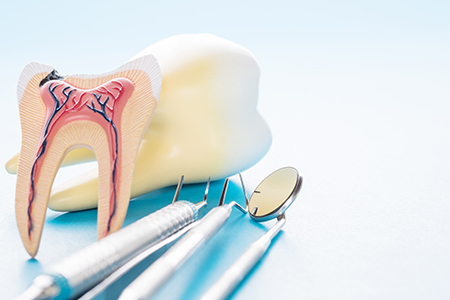
Under the hard enamel and dentin of each tooth lies the dental pulp — a small bundle of connective tissue, nerves, and blood vessels. When decay reaches deep into the tooth, when a tooth is fractured, or when trauma disrupts blood flow, those inner tissues can become inflamed or infected. Once the pulp is irreversibly damaged, the body cannot repair it, and intervention is needed to prevent the problem from worsening.

Symptoms of pulpal problems can vary. You may experience persistent or severe tooth pain, prolonged sensitivity to hot or cold that lingers after exposure, pain when biting, or a tooth that looks darker than adjacent teeth. In some cases, swelling of the gums near the tooth or the presence of an abscess may be the first clear sign of infection. Occasionally, a tooth may show minimal symptoms but reveal internal changes on a radiograph discovered during a routine exam.

Recognizing signs early and seeking an evaluation reduces the chance of a small problem becoming a larger one. Prompt diagnosis allows us to recommend the most conservative approach—often root canal treatment—before extensive structural damage or widespread infection occurs.

Pleasant Dental | Digital Impressions, Dentures and Dental Bridges

What to expect during treatment

Root canal therapy today is performed with patient comfort as a priority. Treatment is typically done under local anesthesia so the tooth and surrounding tissues are numb; many patients report little to no discomfort during the procedure. The number of visits required depends on the tooth’s anatomy and the presence of infection — some cases are resolved in a single appointment, while others benefit from staged care.

During the procedure, the dentist accesses the inner chamber, carefully removes the diseased pulp tissue, and cleans and shapes the canals. These spaces are then filled with a stable, biocompatible material and sealed to prevent recontamination. When needed, medication or a temporary filling is placed between visits to control infection and inflammation.

Advanced instruments and magnification improve precision, and when appropriate, we offer adjuncts to enhance patient comfort. After the internal work is complete, the tooth typically requires a permanent restoration — commonly a crown — to restore full strength and protect what remains of the natural structure.

Recovery and caring for a treated tooth

After treatment, it is normal to feel mild soreness in the area as surrounding tissues recover; this usually resolves within a few days and can be managed with over-the-counter medications and simple home care. Numbness from the anesthetic may persist briefly, so take care while eating and avoid chewing on the treated side until sensation returns.

A treated tooth should be protected from undue forces until a definitive restoration is in place. This means avoiding hard, sticky, or extremely chewy foods on that side and following the clinician’s instructions about any temporary materials. If antibiotics were prescribed to address an active infection, complete the full course as directed.

Long-term success depends on replacing the tooth’s outer structure and maintaining good oral hygiene. Brushing, flossing, and regular dental visits allow us to monitor the restoration, detect any changes early, and address issues before they progress. With proper follow-up, a root canal-treated tooth can serve you well for many years.

Pleasant Dental | Veneers, Preventative Program and Inlays  amp  Onlays

When to seek care and what we offer

If you notice persistent tooth pain, lingering temperature sensitivity, swelling, or a tooth that has changed color after trauma, it's wise to schedule an exam promptly. Early assessment allows us to determine whether root canal therapy or a different approach is most appropriate, and it limits the potential for more extensive issues.

Our team focuses on timely, compassionate care and clear explanations so you understand each step of treatment. We use contemporary techniques to reduce discomfort, control infection, and restore function while protecting the natural tooth whenever feasible. If a root canal is recommended, we will discuss the plan for the procedure and the restoration that follows.

At Pleasant Dental, our goal is to deliver predictable treatment and ongoing support so patients can move forward with comfortable, lasting results. If you have questions about root canal therapy or think you may need an evaluation, please contact us for more information.

Pleasant Dental | Root Canals, General Dentistry and Dental Sealants

Frequently Asked Questions

What is a root canal and how does it work?

+

A root canal is a dental procedure that removes infected or damaged pulp from inside a tooth to eliminate pain and stop the spread of infection. The treatment preserves the natural tooth structure by cleaning, shaping and sealing the internal canals that house the dental pulp. By addressing the source of inflammation or infection, a root canal restores function and helps avoid extraction when a tooth can be saved.

The process typically ends with a permanent restoration, such as a crown, to reinforce the tooth and restore biting strength. Modern endodontic techniques and materials increase predictability and reduce the risk of reinfection. Appropriate follow-up care and routine dental maintenance are important to monitor the restoration and overall oral health.

What symptoms indicate I might need root canal therapy?

+

Symptoms that suggest a pulpal problem often include persistent or severe tooth pain and prolonged sensitivity to hot or cold that lingers after the stimulus is removed. You may also notice pain when biting, swelling of the gums near the affected tooth, or a tooth that appears darker than adjacent teeth. An abscess or a small pimple on the gum can indicate an active infection originating from the tooth.

In some cases a tooth may show minimal discomfort but reveal internal changes on a radiograph taken during a routine exam. Recognizing these signs early and seeking prompt evaluation reduces the chance that a minor problem will progress to a larger infection. A clinical exam combined with diagnostic imaging allows the dentist to determine whether root canal therapy or another approach is most appropriate.

How is a root canal performed step by step?

+

Root canal treatment usually begins with local anesthesia to numb the tooth and surrounding tissues so the patient is comfortable during the procedure. The clinician then creates a small access opening to reach the pulp chamber and uses specialized files to remove the diseased tissue and shape the root canals. After thorough cleaning and irrigation to reduce bacterial load, the canals are filled with a stable, biocompatible material and sealed.

A temporary restoration may be placed between appointments when staged care is necessary. High-precision instruments, magnification and irrigation protocols improve cleaning and allow the dentist to address complex canal anatomy. Once the internal work is complete a definitive restoration, most often a crown, protects the remaining tooth structure and restores function.

Will a root canal be painful?

+

Most root canal procedures are performed under local anesthesia, so patients typically experience little to no pain during the treatment itself. Dentists also use calming techniques and adjunctive measures to enhance comfort and reduce anxiety during the visit. The fear that root canals are unbearably painful reflects older experiences; contemporary endodontic care focuses on minimizing discomfort.

After treatment it is common to have mild soreness as surrounding tissues heal, and this is usually manageable with over-the-counter pain relievers and short-term home care. Numbness from anesthesia may last briefly, so patients should avoid chewing until normal sensation returns. If severe pain, increasing swelling or other concerning symptoms occur after treatment, contact your dental team for evaluation.

How should I care for my tooth after root canal treatment?

+

Immediately after treatment avoid chewing on the treated side until any temporary restoration is replaced by a permanent restoration to prevent damage. Stick to soft foods and maintain gentle oral hygiene around the area while numbness persists and tissues recover. Take any prescribed medications exactly as directed and complete the full course of antibiotics if they were prescribed.

Long-term success depends on restoring the tooth with a permanent crown or appropriate restoration to protect it from fracture. Regular brushing, flossing and routine dental visits allow your dentist to monitor the restoration and address problems early. Promptly report any new pain, swelling or changes in bite so the team can evaluate the treated tooth.

How long will a root canal-treated tooth last?

+

When root canal therapy and the subsequent restoration are done properly, a treated tooth can remain functional for many years and often for a lifetime. The longevity of the tooth depends on several factors including the extent of the original infection, the quality of the restoration and the patient’s oral hygiene. Monitoring with periodic exams and radiographs helps detect changes before they threaten the long-term success of the tooth.

Teeth that undergo complex restoration, experience repeated trauma or have unusual canal anatomy may require more careful follow-up or additional treatment. In some cases retreatment or referral to a specialist in endodontics may be recommended if symptoms recur or if imaging shows persistent infection. Keeping periodontal health and controlling bite forces also supports the durability of a root canal-treated tooth.

Are there alternatives to root canal therapy?

+

An alternative to root canal therapy is extraction of the affected tooth followed by replacement options such as a bridge, implant or removable prosthesis. Extraction removes the source of infection but requires planning to restore chewing function and maintain the alignment of adjacent teeth. Each replacement option has its own clinical indications and considerations that your dentist can discuss.

A tooth may be recommended for extraction rather than root canal therapy when there is extensive structural damage, limited remaining tooth structure or a poor long-term prognosis. In some situations palliative or interim measures are appropriate while a comprehensive treatment plan is developed. A thorough clinical assessment helps determine the most conservative and predictable course of action for each patient.

Can children or teenagers need root canals?

+

Children and teenagers can develop pulp infections from extensive decay or dental trauma and may require endodontic treatment to preserve a permanent tooth. In primary (baby) teeth procedures often focus on maintaining function and comfort until natural exfoliation, while permanent teeth may need standard root canal therapy tailored to the tooth’s development. Early evaluation after injury or when symptoms appear helps protect developing dentition and overall oral health.

Treatment for younger patients may be coordinated with pediatric dental specialists when growth, development or behavioral considerations affect care. Keeping permanent teeth when feasible supports jaw development and avoids the need for more complex replacements later in life. Your dentist will explain the recommended approach and what to expect during and after treatment for children or adolescents.

How should I prepare for a root canal appointment at Pleasant Dental?

+

Before your appointment at Pleasant Dental provide an up-to-date medical history and a list of current medications so the team can plan safe, effective care. Bring any recent dental records or radiographs if you have them, and prepare a list of questions about the procedure, anesthesia and expected recovery. If any form of sedation is planned your dental team will give specific pre-appointment instructions to follow.

Plan to arrange transportation if advised by the office, and allow time for a brief consultation before treatment begins. Follow the practice’s preoperative instructions about eating, medications and arrival time to help the appointment run smoothly. Arriving rested and informed helps reduce anxiety and allows the team to focus on delivering precise, comfortable care.

Why should I choose Pleasant Dental for root canal treatment?

+

Pleasant Dental emphasizes gentle, patient-centered care, clear communication and modern endodontic techniques to improve comfort and predictability. The practice uses magnification, updated instruments and evidence-based protocols to address complex canal anatomy and reduce procedural risk. When needed, the team coordinates referrals to specialists to ensure patients have access to advanced care.

Choosing a provider that prioritizes thorough diagnosis, timely treatment and careful restoration supports the long-term success of a treated tooth. Pleasant Dental’s approach includes patient education and follow-up so you understand each step and know how to care for the tooth after treatment. If you have symptoms that suggest pulpal disease, seek an evaluation to determine the most appropriate and conservative treatment.

Pleasant Dental | Intraoral Camera, Oral Cancer Screening and Oral Exams

Get in Touch

Have questions or need to book your next visit?

We’re here to make it simple. The team at Pleasant Dental is ready to help you schedule appointments, discuss treatment options, and answer any questions you may have. You can call us, send a message, or use our online form, whatever works best for you. Get in touch today and take the next step toward a healthier, more confident smile.