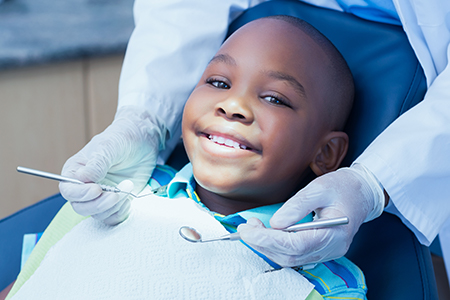
At Pleasant Dental, we view children's oral health as a long-term partnership with families. Our goal is to help young patients develop strong, confident smiles through gentle care, clear guidance, and preventive strategies that fit into everyday life. From a first exam to guidance during growth spurts, we focus on building healthy habits and catching issues early so they have the best chance at lifelong oral well-being.

A child’s dental journey begins long before a full set of teeth appears. Early visits establish familiarity with the dental office, allow clinicians to evaluate growth and risk factors, and give parents practical coaching on daily hygiene. Our approach emphasizes routine preventive steps—brushing with the right amount of fluoride toothpaste, rinsing when age-appropriate, and making oral care a predictable part of family life.
During early exams we assess more than teeth. We observe how the jaws are growing, whether breathing or swallowing patterns might affect development, and whether oral habits such as prolonged pacifier use or thumb-sucking could influence alignment. These observations guide individualized advice so parents know what to watch for and how to support healthy development at each stage.
We also prioritize comfort and clear communication. Children respond best when grown-ups feel confident, so we explain each step of care in plain language and demonstrate techniques parents can use at home. Creating a calm, predictable visit reduces anxiety and encourages cooperation, making dental care a positive part of your child’s routine.
Routine visits combine a careful clinical exam with practical prevention. Our team evaluates tooth and gum health, inspects bite and jaw alignment, and discusses any concerns you or your child might have. When appropriate, we use digital radiographs to reveal issues that aren’t visible on the surface—these images help us make informed recommendations without guesswork.
Cleanings are tailored to each child’s needs and tolerance. We remove plaque and soften deposits in a gentle, age-appropriate way and provide hands-on coaching for brushing and flossing techniques. We use tools and language designed to make the experience straightforward and empowering for kids, so they leave with a sense of accomplishment and a clearer idea of how to care for their own smile.
Communication is a core part of every appointment: we review home care strategies, discuss dietary factors that influence decay risk, and plan follow-up. If there’s a developing concern—like early decay or a habit affecting tooth position—we outline practical next steps and the reasons behind them so you can make informed choices for your child’s care.

Regular checkups let us monitor changing needs as children grow. Twice-yearly visits allow for early detection of cavities, timely placement of protective treatments, and monitoring of jaw and tooth development. Early identification of a potential issue often means simpler, less invasive care down the road and a better long-term outcome for the smile.
These visits are also a chance to reinforce good habits. Small, consistent adjustments—switching sugary drinks for water, establishing a two-minute brushing routine, or keeping pacifiers limited to the infant period—have a cumulative impact on oral health. We provide realistic, age-appropriate guidance so families can adopt changes that stick.
When necessary, we’ll document and track changes with digital images or radiographs so that treatment decisions are grounded in clear evidence. This data-driven approach helps us recommend interventions only when they’re truly needed and to time them for the most effective results.
Tooth decay remains a common childhood concern because young teeth are more vulnerable to acids produced by plaque. Preventive care focuses on reducing that risk through effective cleaning, limiting frequent exposure to sugary foods and drinks, and applying professional protections such as fluoride varnishes when appropriate.
Dental sealants are another important tool for shielding newly erupted back teeth. These thin, protective coatings are applied painlessly to the chewing surfaces of molars and premolars, where grooves can trap food and bacteria. When combined with good home care and routine exams, sealants significantly lower the chance of decay in those vulnerable areas.
Begin dental visits early—bring babies for a first check-in around the time the first tooth erupts or by the first birthday.
Use age-appropriate brushing tools and supervise cleaning until children reliably brush and floss on their own.
Replace sugary drinks with water and encourage balanced snacks that support dental and overall health.
Avoid putting infants to bed with bottles containing milk or juice to reduce the risk of early decay.
Help children move past comfort habits—like prolonged pacifier use or thumb-sucking—at the recommended ages to support normal jaw growth.
When children play sports, make sure they use a properly fitted mouthguard to protect teeth and soft tissues from injury.

Baby teeth are more than placeholders—they help children eat, speak, and develop a healthy bite. Tooth eruption follows a loose timetable, but many infants begin to show front teeth between six and twelve months. Establishing gentle cleaning habits as teeth appear sets the stage for good oral hygiene as your child grows.
Teething can be a difficult phase for families. Safe, calming measures—cool teething rings, a clean, cold washcloth, or gentle gum massage—can ease discomfort. If symptoms seem severe or are accompanied by unusual signs, it’s appropriate to check in with your dental or medical provider for reassurance and guidance.
Because baby teeth affect how permanent teeth emerge, preventing and treating decay in the primary dentition is important. When cavities occur, timely care protects the tooth, prevents infection, and helps maintain space for the adult teeth that follow.
Children’s mouths change rapidly through childhood and adolescence. As part of routine care we monitor facial growth, jaw relationships, and tooth alignment. If there are indicators of crowding, impacted teeth, or jaw discrepancies, we’ll discuss the timing and options for orthodontic evaluation so that any intervention can be planned at an age that maximizes effectiveness.
Nutrition plays a central role in dental health. Diets rich in whole foods, calcium, and vitamin D support strong teeth and bones, while frequent snacking on sugary or sticky items increases decay risk. We offer practical suggestions that fit family schedules and tastes so children get the nutrients they need without creating avoidable hazards for their smiles.
For active children, preventive planning includes custom mouthguards and guidance on protective behaviors. If a dental injury occurs, prompt attention makes a big difference—our team is prepared to assess and stabilize injured teeth, manage soft tissue injuries, and coordinate any follow-up care needed to preserve oral health.
In summary, pediatric dental care centers on prevention, early detection, and family-centered education. With thoughtful routine visits, practical at-home habits, and timely protective treatments, children can enjoy healthy, attractive smiles as they grow. If you’d like to learn more about how we care for young patients or want guidance tailored to your child’s needs, please contact us for more information.

Most pediatric dental guidelines recommend bringing a child in around the time the first tooth erupts or by the first birthday. An early visit establishes familiarity with the dental office and allows clinicians to evaluate growth, feeding habits and early decay risk. This baseline appointment helps set expectations and reduces anxiety for future visits.
During the first check-in the team will perform a gentle oral exam, review feeding and hygiene routines, and offer practical coaching for parents. Clinicians check for eruption patterns and any red flags that may warrant closer monitoring. If concerns are identified, the dentist will explain appropriate next steps in clear, age-appropriate language.
Pleasant Dental uses a child-centered approach that emphasizes calm routines, clear explanations and gentle technique to help children feel secure. Dr. Jay Shah and the team introduce instruments and steps slowly, use simple language and demonstrate techniques so children and parents know what to expect. Creating a predictable, positive environment reduces fear and encourages cooperation over time.
We also tailor each visit to a child’s developmental level and tolerance, offering breaks and positive reinforcement as needed. Parents are involved throughout so they can learn supportive ways to manage behavior and reinforce good habits at home. The goal is to make dental care a normal, nonthreatening part of a child’s routine.
A routine pediatric exam includes a careful inspection of the teeth, gums and soft tissues, an assessment of bite and jaw growth, and a discussion of feeding and oral habits. When indicated, digital radiographs are used to view areas not visible on the surface and to track development over time. The dentist looks for early signs of decay, eruption problems and habits that could influence growth.
Cleanings are adapted to the child’s needs and may include gentle removal of plaque and hands-on coaching for brushing and flossing technique. The clinician will recommend preventive measures such as fluoride varnish when appropriate and explain how to maintain oral health between visits. Follow-up plans are made collaboratively with parents to address any concerns and schedule future care.
Preventing tooth decay starts with consistent daily hygiene: brushing twice a day with an age-appropriate amount of fluoride toothpaste and supervising children until they can reliably brush on their own. Limiting frequent exposure to sugary or acidic drinks and snacks reduces the time teeth are at risk from decay-causing acids. Regular dental visits allow clinicians to identify risk factors and reinforce effective home routines.
Professional measures such as fluoride varnish and dental sealants further lower decay risk for vulnerable surfaces. Sealants protect deep grooves on biting surfaces, while fluoride strengthens enamel and helps reverse early mineral loss. Combining good home care, dietary attention and routine preventive treatments offers the best protection against cavities.
Dental sealants are a safe, minimally invasive protective coating applied to the chewing surfaces of molars and premolars to block grooves where food and bacteria collect. Application is painless and typically completed during a preventive visit with no drilling required, making it well suited for young patients. Sealants have a long record of reducing cavities on treated teeth when maintained and monitored.
Sealants are usually recommended soon after permanent molars and premolars erupt, when those teeth are most vulnerable to decay. The dentist will evaluate each child’s risk and timing based on eruption patterns and oral hygiene. During subsequent visits the team checks sealant wear and re-applies or repairs them as needed to preserve protection.
Baby teeth play essential roles in chewing, speech development and maintaining proper space for permanent teeth, so preserving their health supports long-term function and alignment. Premature loss from decay or trauma can lead to shifting of neighboring teeth and potential crowding or bite problems later on. Treating decay in primary teeth prevents infection and helps preserve space until permanent teeth erupt.
Early intervention and monitoring of primary dentition allow the dentist to plan for space maintenance or timely orthodontic evaluation when indicated. By protecting baby teeth and guiding growth, clinicians help support a smoother transition to the adult dentition. Parents should report concerns about pain, early tooth loss or unusual eruption patterns so issues can be managed promptly.
Many professional guidelines suggest an orthodontic screening by about age 7, when early signs of crowding, crossbite or jaw discrepancy can be detected while both primary and permanent teeth are present. Routine pediatric exams include monitoring of facial growth and tooth alignment so the dentist can recommend orthodontic evaluation if there are indicators. Early assessment does not always mean early treatment, but it helps determine the optimal timing for any intervention.
If the dentist notices issues such as severe crowding, impacted teeth, or asymmetric jaw growth, they will discuss options and timing for referral to an orthodontist. In some cases interceptive measures taken at a younger age can simplify later treatment or improve outcomes. Parents should share any family history of orthodontic concerns and watch for functional signs like difficulty chewing or mouth breathing.
Dietary choices and daily habits have a direct influence on oral health; frequent snacking on sugary or sticky foods increases the time teeth are exposed to acids that cause decay. Encouraging water, balanced meals and calcium-rich foods supports strong teeth and overall growth. Regular timing of meals and limiting between-meal sugary drinks helps reduce cavity risk.
Habits such as prolonged pacifier use or thumb-sucking can affect jaw development if they persist beyond recommended ages, and clinicians provide guidance for gently transitioning away from these behaviors. For active children, properly fitted mouthguards protect teeth during sports and help prevent traumatic injuries. The dental team offers practical, age-appropriate strategies to make healthy habits easier to follow within family routines.
If a dental injury occurs, prompt assessment is important to protect tooth structure, control bleeding and evaluate the need for urgent care; seek professional attention as soon as possible. For a knocked-out permanent tooth, immediate replantation or proper preservation of the tooth in milk or saline and rapid transport to the dentist can improve the chance of saving the tooth. Injuries to baby teeth are handled differently, so the dentist will advise on appropriate steps to prevent harm to developing permanent teeth.
For soft-tissue injuries apply gentle pressure to control bleeding and use cold compresses to reduce swelling, then arrange an urgent evaluation to check for internal damage. The dental team will assess for fractures, loosened teeth and signs of infection, and recommend follow-up or referral as needed. If you are in Greensboro, NC, contact the office promptly for guidance and to coordinate timely care.
Parents can establish a strong foundation by supervising and assisting with brushing until children are capable of effective, thorough technique, typically around ages 6 to 8. Use an age-appropriate toothbrush, a smear or pea-sized amount of fluoride toothpaste as recommended, and make brushing a consistent twice-daily habit. Flossing should begin once teeth contact each other regularly and parents can demonstrate proper methods to encourage independence.
Pleasant Dental recommends pairing home care with routine dental visits so clinicians can reinforce technique, apply preventive treatments and monitor development. Limit sugary snacks and drinks, encourage water and balanced meals, and discuss any concerns such as tooth sensitivity or unusual habits with the dental team. Consistent routines, positive reinforcement and early professional guidance create lasting habits that support healthy smiles.

Have questions or need to book your next visit?
We’re here to make it simple. The team at Pleasant Dental is ready to help you schedule appointments, discuss treatment options, and answer any questions you may have. You can call us, send a message, or use our online form, whatever works best for you. Get in touch today and take the next step toward a healthier, more confident smile.