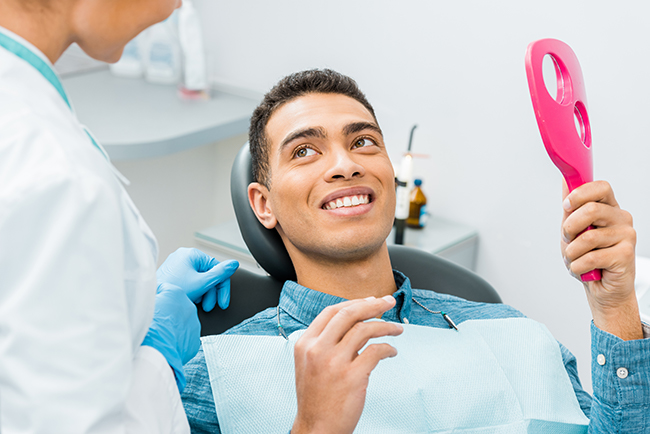
At the office of Pleasant Dental, we take a practical, prevention-first approach to oral health. Regular oral exams give patients a reliable way to keep problems small and predictable by catching trouble early. When exams are combined with professional cleanings, targeted screenings, and clear guidance for home care, most common dental conditions can be managed or avoided entirely.
Our goal during every exam is to build a complete, up-to-date picture of your mouth and the structures that support it. That information guides sensible, evidence-based recommendations and helps us tailor care to each patient’s needs and goals. We aim to make exams informative, comfortable, and useful—so you leave with a clear sense of your oral health and any next steps.
Your First Oral Exam: What to Expect
Your initial appointment sets the foundation for ongoing care. We begin by reviewing medical history, medications, and any current dental concerns you may have, and we take time to understand your priorities—whether that’s preventing decay, managing sensitivity, or monitoring growth in a child. This conversation helps us identify risk factors that influence exam findings and future recommendations.
The clinical portion of the exam covers a thorough inspection of the teeth, gums, and soft tissues, plus an evaluation of bite and jaw function. We screen for signs of gum inflammation, tooth wear, cracked or loose teeth, and other common problems. Part of this assessment includes an oral cancer screening and a check of the temporomandibular joint (TMJ) for any signs of dysfunction or strain.
When necessary, we supplement the visual exam with diagnostic imaging so we can see what lies below the surface. Digital x-rays and other imaging tools reveal decay between teeth, bone levels around teeth, and the roots of teeth—details that are invisible during a visual check. After examining your records and images, we’ll summarize our findings and discuss appropriate preventive measures or treatment options in straightforward terms.
How Oral Health Reflects Whole-Body Wellness
The mouth is more than a smile; it’s an entry point to the rest of the body. Changes in oral tissues can signal nutritional gaps, medication side effects, immune conditions, or systemic disease. During an exam we pay special attention to signs that could indicate broader health concerns—persistent ulcers, unusual swelling, unexplained bleeding, or chronic dry mouth, for example—so they can be communicated to your medical providers when appropriate.
Research continues to reveal meaningful connections between oral disease and overall health. Chronic inflammation from gum disease, for instance, has been associated with a higher risk of several systemic conditions. Because of these links, regular dental exams are an important part of maintaining general health—not just a way to protect the teeth.
Some systemic illnesses show early warning signs in the mouth. That’s one reason we look beyond cavities during an exam and document soft tissue changes, oral lesions, and patterns of bone loss. When we identify something unusual, we explain what we see, the possible implications, and sensible next steps—whether that means increased monitoring, referral, or coordination with your physician.
The reverse is also true: health issues elsewhere in the body can create oral symptoms. Problems such as dry mouth, changes in taste, gum sensitivity, or slow-healing sores are sometimes linked to medications or chronic disease. Identifying these patterns early helps patients get appropriate care from both dental and medical perspectives.
Why Regular Checkups and Professional Cleanings Matter
Good oral hygiene at home is essential, but professional care fills gaps that daily brushing and flossing can miss. During a routine visit our hygienist removes hardened plaque (tartar) and bacterial buildup from places a toothbrush can’t reach. Removing this material reduces the bacteria that cause cavities and gum inflammation, and it helps preserve the tissue and bone that support your teeth.
Routine checkups are also opportunities to detect change early. Small cavities, the beginning stages of gum disease, or early enamel wear are easier to treat and manage when caught promptly. For children and teens, regular visits let us monitor growth and development so any need for orthodontic evaluation or early intervention can be identified at the right time.
We use checkup appointments to coach patients on effective home care tailored to their situation—techniques for brushing and flossing, tips for managing sensitivity, and guidance on diet or habits that affect oral health. Preventive visits are as much about education as they are about treatment; an informed patient is better equipped to protect their own smile over the long term.
Most patients benefit from scheduled exams and cleanings at routine intervals. During your visit we’ll recommend a personalized recall schedule based on your risk factors, history of dental disease, and overall oral health goals.
X-Rays and Digital Imaging: Why They Matter
Many conditions lie beneath the surface and cannot be seen with the naked eye. Dental radiographs and digital imaging let us examine tooth roots, bone levels, and areas between teeth where decay often begins. These tools are indispensable for creating a complete diagnostic picture and developing accurate treatment plans.
Digital radiography has largely replaced older film techniques because it produces high-quality images quickly with very low exposure. Images appear immediately on our screen, which speeds up diagnosis and makes it easier to explain findings to patients. Digital files are also stored in your chart for comparison over time, helping us track subtle changes from visit to visit.
Modern imaging extends beyond standard two-dimensional x-rays. For complex cases or surgical planning—such as implant placement—three-dimensional cone-beam computed tomography (CBCT) can provide precise detail about anatomy, bone density, and the position of vital structures. We choose imaging tools carefully, using the minimal necessary technology to answer specific clinical questions.
Types of Dental Images and When They’re Used
Different images serve different purposes. Small intraoral x-rays are excellent for spotting early decay between teeth and evaluating the root structure of an individual tooth. Panoramic and other extraoral views give a broader look at jaw relationships, developing teeth, and overall bone health. We select the appropriate image based on the clinical need to minimize exposure while maximizing diagnostic value.
-
Periapical x-ray - Focuses on a single tooth from crown to root to assess root health, abscesses, and surrounding bone.
-
Bitewing x-ray - Captures the upper and lower back teeth in a single view to check for decay between teeth and monitor bone levels near the crowns.
-
Full Mouth Series - A complete set of intraoral images that offers a comprehensive baseline for diagnosis and ongoing care.
-
Panoramic Film (panorex) - A single wide view that shows all teeth, the jaws, and adjacent structures—useful for evaluating development, impacted teeth, and jawbone health.
-
Cephalometric Film - A profile view used primarily in orthodontic assessment to evaluate skeletal relationships and growth patterns.
When three-dimensional information is required, CBCT scans can clarify complex anatomy before surgical procedures or implant work. We use advanced imaging thoughtfully, and we’ll always explain why a particular image is recommended and how it supports safe, effective treatment.
In summary, a comprehensive oral exam is more than a quick check of the teeth: it’s a systematic review of oral tissues, function, and risk factors that supports preventive care and informed treatment. If you’d like to learn more about what to expect at an exam or to discuss any specific concerns, please contact our office for additional information.