Understanding Tooth Extractions: When They Become the Healthier Choice
At the office of Pleasant Dental, our priority is to protect your long-term oral health while keeping you comfortable and informed. Tooth extraction is never the first line of treatment, but when a tooth threatens the surrounding structures or cannot be predictably preserved, removing it can be the most responsible option. We approach each case with careful evaluation and a clear plan that balances preservation with what’s best for your overall wellbeing.
Deciding to extract a tooth is a clinical judgment that combines examination, imaging, and your personal health history. Our team explains the reasons behind a recommended extraction, outlines alternative treatments when possible, and reviews the next steps so you know what to expect. Patients appreciate straightforward explanations that help them make considered decisions about their care.
Comfort is a core part of our process. Before any procedure begins we review medications, medical conditions, and any anxieties you might have so we can tailor anesthesia and relaxation options. These measures help ensure a smooth appointment and a recovery that starts on the right foot.
When removing a tooth becomes the best path forward
Primary (baby) teeth that won’t give way Sometimes a primary tooth remains firmly attached when its permanent replacement is ready to erupt. This can interfere with normal development and alignment. If a tooth is ankylosed (fused to the bone) or its roots haven’t resorbed properly, we may recommend extraction to allow the permanent tooth to emerge or to prevent alignment problems.
Severe decay beyond repair Decay begins on the enamel but can progress deep into the tooth, compromising structure and the nerve. When there isn’t enough healthy tooth left to support a durable restoration, extraction becomes the safest alternative to control infection and preserve surrounding teeth and bone.
Extensive fractures or compromised roots Not all cracked or fractured teeth can be saved. If damage extends below the gumline, into the root, or is too extensive to rebuild reliably, removing the tooth may prevent ongoing pain, infection, or failure of other treatments.
Advanced periodontal (gum) disease When bone and soft tissues that support the teeth are severely lost to periodontal disease, individual teeth can become mobile and painful. In these situations, extraction can stop the spread of infection and allow us to plan restorative or periodontal treatment to stabilize the rest of your mouth.
Wisdom teeth that are impacted, infected, or misaligned Third molars frequently lack adequate space to erupt normally. Impacted or partially erupted wisdom teeth can harbor bacteria, damage adjacent teeth, or cause inflammation. Removing problematic wisdom teeth often reduces the risk of recurrent infection and protects neighboring teeth.
Extractions as part of orthodontic planning Sometimes removing one or more permanent teeth is the most predictable way to create room for proper alignment. When orthodontic treatment calls for strategic space management to achieve a functional, stable bite, selective extractions may be recommended as part of a coordinated treatment plan.
What happens during an extraction appointment?
We begin every surgical plan with a comprehensive review of your medical and dental history and appropriate imaging. Digital radiographs help us understand root shape, bone levels, and the relationship of the tooth to nearby structures. This information guides whether a tooth can be removed simply or if a surgical approach will provide a safer, more controlled outcome.
Before treatment starts, we discuss anesthesia options tailored to your needs. Local anesthesia is standard and very effective for controlling pain during the procedure. For patients with anxiety or complex needs, we also discuss options for sedation so the experience is calm and manageable. Our goal is to create a setting where you feel safe and well-supported.
Communication is important throughout the appointment. We’ll review the steps of the procedure, answer your questions, and confirm post-operative expectations so there are no surprises. In cases where a surgical specialist is the better option—for example, deeply impacted teeth—we coordinate referrals to ensure you receive care from the most appropriate clinician.
Simple extractions: straightforward and efficient
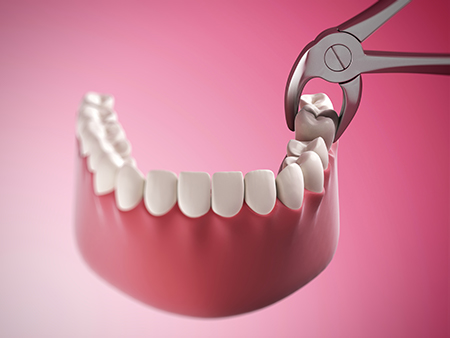
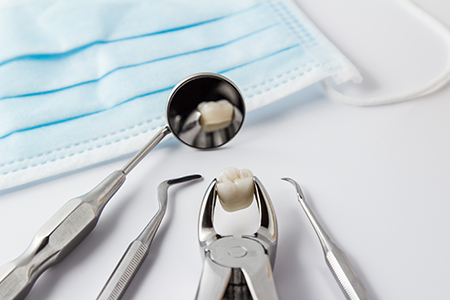
A simple extraction is performed when the tooth is fully visible and the root anatomy is favorable. After the area is numb, the dentist gently loosens the tooth and removes it with forceps. Even though the technique is direct, we use careful technique and patient-centered measures to minimize discomfort and promote easy healing. If needed, brief sedation options can be arranged for extra reassurance.
Surgical extractions: planned access for complex cases
Surgical extractions are used when a tooth is broken at the gumline, ankylosed, or positioned in a way that requires removing some bone or making a small incision to access it safely. These procedures are performed under local anesthesia and, when appropriate, sedation. We explain the surgical steps in advance and provide clear pre- and post-operative instructions so healing proceeds smoothly. In certain complex scenarios, we may refer you to an oral and maxillofacial surgeon for specialized care.
Recovering well: realistic expectations and practical care
Healing after an extraction is a process that varies by patient and by the complexity of the procedure. Most people experience manageable discomfort, swelling that peaks in the first 48 hours, and gradual improvement over the following week. We provide clear guidance on pain control, oral hygiene, diet, and activity restrictions to support predictable healing.
It’s important to follow specific instructions designed to preserve the blood clot at the extraction site, which is critical for proper bone and tissue healing. Avoiding actions that create suction or disturb the area — such as using a straw, vigorous rinsing, or smoking — helps reduce the risk of complications and supports a steady recovery.
We schedule follow-up when sutures are placed or when a more complex extraction has occurred so we can confirm healing and discuss options for replacing the missing tooth if desired. Timely follow-up helps us identify and manage issues early and plan the next steps in restoring comfort and function.
Post-operative guidelines to support healing
Maintain gentle gauze pressure A gauze pad placed over the site helps the area clot. Bite gently and replace the pad as instructed. If bleeding continues beyond the first few hours or is heavy, contact our office for guidance.
Protect numb tissues Until the anesthetic wears off, avoid chewing or touching the area to prevent accidental injury to your lips, cheeks, or tongue.
Take medications as directed
Antibiotics: If prescribed, complete the full course as instructed to help prevent or resolve infection.
Pain management: Begin pain control before the anesthetic fully wears off when recommended. Over-the-counter pain relievers or prescription medications should be used according to instructions for the best comfort.
Allow the clot to form Avoid rinsing, spitting forcefully, or using a straw for the first 24–48 hours so the clot remains undisturbed.
Use ice to reduce swelling Apply an ice pack to the cheek in 10-minute intervals during the first day to control swelling. If swelling or bruising increases after 48 hours, contact our office.
Avoid tobacco Smoking or using tobacco products can interfere with clot formation and healing. Refrain from tobacco use for at least seven days after your procedure.
Choose soft, cool foods initially Soft foods and plenty of fluids are recommended for the first few days. Avoid hot, spicy, or carbonated beverages until healing is well underway.
Maintain gentle oral hygiene Brush carefully around the surgical area and use a mild saltwater rinse as directed after the initial 24 hours. Avoid scrubbing the extraction site directly.
Attend follow-up appointments If stitches were placed or your case required extra care, keep your scheduled follow-up so we can monitor healing and plan any restorative steps.
If you notice worsening pain, persistent bleeding, fever, or any signs that concern you, please contact our office so we can evaluate and respond promptly.
Care you can rely on for extractions and what comes next
Pleasant Dental takes a conservative, patient-first approach to extractions. When removal is the safest option, we combine clinical expertise, modern imaging, and attentive aftercare to minimize discomfort and support predictable healing. Dr. Jay Shah and our team explain each step, answer your questions, and coordinate any additional care you may need.
After an extraction, replacing the missing tooth is often an important part of restoring long-term function and appearance. We discuss thoughtful replacement options when appropriate and help you plan the timing and next steps in a manner that fits your overall oral health needs.
If you have questions about whether an extraction is necessary, what to expect during the procedure, or how to care for yourself afterward, contact us for more information. Our team is available to explain your options and guide you toward the most appropriate care for a healthy, functional smile.
A tooth extraction becomes necessary when a tooth cannot be predictably preserved or when it threatens the health of surrounding teeth and tissues. Common clinical reasons include severe decay that destroys supporting structure, fractures that extend below the gumline, advanced periodontal disease with significant bone loss, and primary teeth that fail to resorb properly. The decision to remove a tooth is based on a comprehensive exam, digital radiographs, and consideration of your overall medical and dental history.
Before recommending extraction, the clinician will discuss alternative treatments when viable and explain why removal is the most responsible option in your case. This conversation typically covers the anticipated procedure, healing expectations, and any follow-up care needed to restore function and appearance. Clear communication helps patients make informed decisions that align with long-term oral health goals.
What is the difference between a simple extraction and a surgical extraction?
+
A simple extraction is performed when the tooth is fully erupted and accessible in the mouth; the dentist numbs the area and uses elevators and forceps to loosen and remove the tooth. This type of extraction is generally straightforward when root anatomy and surrounding bone allow for safe removal without incisions. Local anesthesia provides effective pain control, and brief sedation may be offered for patients with dental anxiety or special needs.
Surgical extraction is used for teeth that are broken at the gumline, impacted, ankylosed, or otherwise difficult to access, and it may require a small incision, removal of a portion of bone, or sectioning the tooth. These procedures are planned with diagnostic imaging to minimize risk to nearby structures and to ensure predictable healing. When cases are complex or beyond the scope of the general office, referral to an oral and maxillofacial surgeon is arranged to provide specialized care.
How are wisdom teeth evaluated and when should they be removed?
+
Wisdom teeth are evaluated with a clinical exam and radiographs to assess eruption path, root development, and relationship to adjacent teeth and nerves. Removal is recommended when third molars are impacted, partially erupted and prone to infection, misaligned and damaging neighboring teeth, or causing pain and inflammation. In some cases prophylactic removal is considered to prevent future problems when space is insufficient or when the tooth’s position suggests likely complications.
The timing of extraction depends on factors such as root formation, patient symptoms, and overall oral health. For younger patients, earlier removal can simplify the procedure and recovery because roots tend to be less developed. Decisions are individualized, and the team will explain risks, benefits, and the expected recovery process so you can make an informed choice.
What anesthesia and sedation options are available for extractions?
+
Local anesthesia is standard for routine extractions and provides reliable numbness to keep the procedure comfortable while you remain awake and responsive. For patients who are anxious or undergoing complex surgical extractions, options such as oral sedation or nitrous oxide can be offered to promote relaxation and reduce stress during treatment. In specific situations or for patients with advanced needs, deeper sedation or general anesthesia may be coordinated with a qualified anesthesia provider or specialist.
Prior to selecting an anesthesia plan, the dental team reviews your medical history, current medications, and any health conditions that could affect sedation. This review helps determine the safest and most effective approach for your comfort and safety. Clear preoperative instructions are provided to ensure a smooth experience and to minimize the risk of complications related to anesthesia or sedation.
What should I do to prepare for an extraction appointment?
+
Preparation begins with a thorough review of your medical and dental history, including any medications, allergies, and recent illnesses or surgeries. Follow any preoperative instructions provided by the office, such as fasting for certain sedation types or arranging transportation if you will be sedated. Bringing a list of current medications and asking questions about post-operative care during the pre-procedure discussion helps set clear expectations.
Patients should plan for a brief recovery period after the appointment and avoid strenuous activity for the first day or two, as advised. Arrange support at home if deeper sedation is used, and prepare soft foods and recommended supplies like gauze and ice packs. Proper preparation supports a calm appointment and a smoother initial recovery phase.
What are the most common risks and how are complications managed?
+
Extractions are common procedures but, like all surgeries, carry potential risks such as infection, prolonged bleeding, swelling, and dry socket (alveolar osteitis). The dental team takes steps to minimize these risks through sterile technique, careful surgical planning, and providing clear post-operative instructions to protect the forming blood clot and reduce infection risk. Most complications are preventable or manageable when patients follow guidance and attend scheduled follow-up visits.
If complications occur, prompt evaluation allows for targeted treatments such as cleaning and packing a dry socket, prescribing antibiotics for infection when appropriate, or providing additional suturing to control bleeding. The office will give explicit signs to watch for and encourage patients to contact the clinic if they notice worsening pain, fever, increasing swelling after 48 hours, or persistent bleeding. Timely intervention typically leads to uncomplicated healing.
What should I expect during the recovery period after an extraction?
+
Initial healing after an extraction typically involves mild to moderate discomfort and swelling that peaks within the first 48 hours and then gradually improves over a week or more depending on the complexity of the case. Pain can usually be managed with prescribed or over-the-counter analgesics as directed, and using cold packs during the first day helps minimize swelling. It is important to avoid activities that could dislodge the clot, such as smoking, using a straw, or vigorous rinsing, for the first 24–48 hours.
Oral hygiene should be maintained carefully, brushing teeth while avoiding direct trauma to the extraction site and beginning gentle saltwater rinses after the first 24 hours as instructed. Soft foods and plenty of fluids support comfort and nutrition in the immediate days after the procedure. Follow-up appointments may be scheduled to remove sutures if needed and to confirm that healing is proceeding as expected.
How are missing teeth replaced after an extraction?
+
Replacing a missing tooth is an important consideration for restoring chewing function, maintaining neighboring tooth position, and preserving jawbone over time. Common replacement options include dental implants with a crown, fixed bridges, or removable partial dentures, and the appropriate choice depends on factors such as bone volume, adjacent teeth condition, and your overall oral health. The timing of replacement varies; immediate, delayed, or staged approaches can be planned to optimize healing and long-term outcomes.
Your dentist will review the pros and cons of each option and coordinate treatment sequencing to fit your clinical needs and lifestyle. When implants are a suitable choice, advanced imaging is used to evaluate bone and plan precise placement for predictable results. The team at Pleasant Dental can discuss these restorative pathways and collaborate on a plan that aligns with your goals and health status.
Are extractions performed differently for children than for adults?
+
Extractions for children often involve removing primary teeth that are not exfoliating properly, are severely decayed, or obstruct the eruption of permanent teeth; the clinical approach accounts for growth, behavior, and future dental development. Pediatric cases emphasize behavior management, clear communication with caregivers, and using the least invasive technique that achieves a safe outcome. Anesthesia and sedation choices are tailored to the child’s age, medical history, and level of cooperation.
When a primary tooth is ankylosed or its root has not resorbed correctly, removal may be recommended to allow normal eruption patterns and prevent alignment issues. The dentist will explain how the extraction fits into future orthodontic or restorative planning and recommend appropriate follow-up care. Coordination with parents ensures the child understands what to expect and that aftercare supports uneventful healing.
When should I seek urgent care after an extraction?
+
Contact your dental office promptly if you experience severe or increasing pain that is not controlled by recommended medications, heavy or persistent bleeding beyond the first few hours despite gauze pressure, signs of spreading infection such as fever or increasing redness and swelling, or numbness that persists beyond the expected duration of local anesthesia. These symptoms may indicate complications that require immediate evaluation and treatment. Early assessment helps prevent worsening problems and facilitates timely intervention.
If you develop sudden difficulty breathing or swallowing, chest pain, or other signs of a serious systemic reaction, seek emergency medical care right away. For non-life-threatening concerns related to the extraction site, calling the office allows the team to triage your situation and provide guidance or arrange an urgent appointment. Prompt communication ensures appropriate care and supports a safer recovery.
Get in Touch
Have questions or need to book your next visit?
We’re here to make it simple. The team at Pleasant Dental is ready to help you schedule appointments, discuss treatment options, and answer any questions you may have. You can call us, send a message, or use our online form, whatever works best for you. Get in touch today and take the next step toward a healthier, more confident smile.