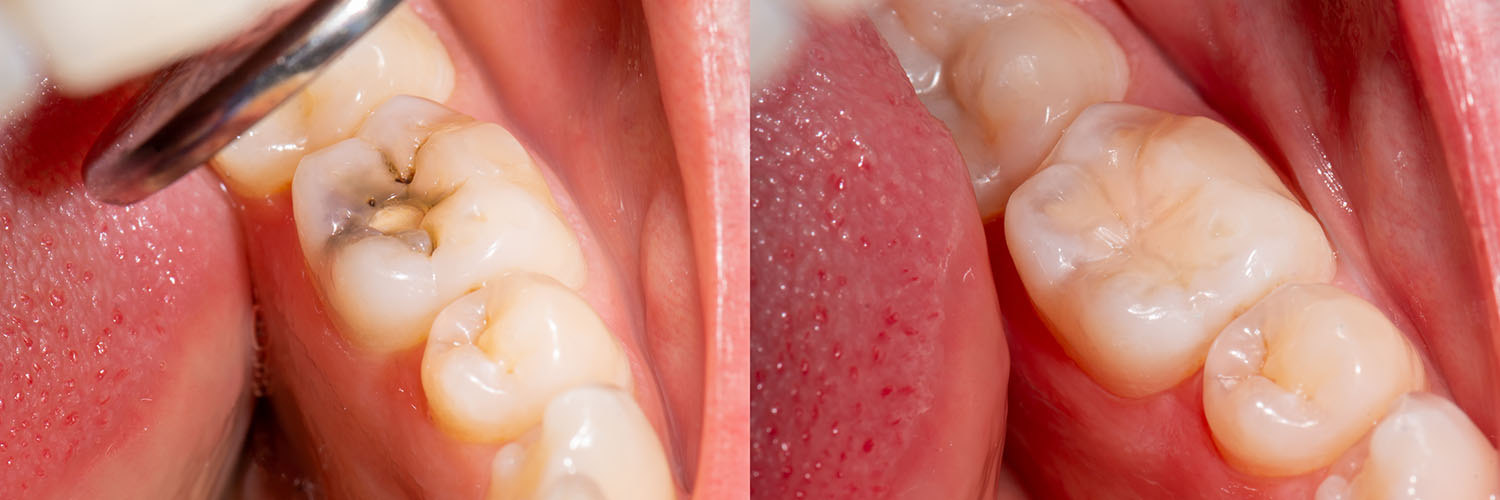
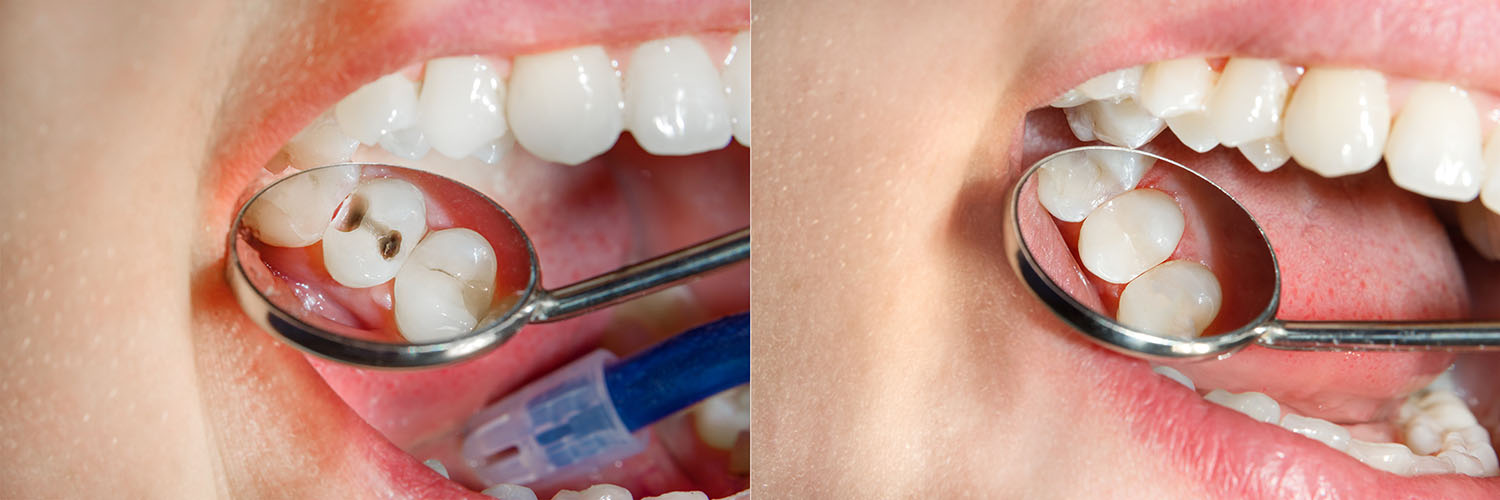
When a cavity or minor fracture affects a tooth, the right filling restores not only function but also the tooth’s natural appearance. Modern composite fillings are tooth-colored resins engineered to mimic enamel in color and translucency, so repaired teeth blend seamlessly with the rest of your smile. For many patients, these restorations offer a discreet solution that preserves the look and feel of natural teeth while preventing further decay.
Composite materials are versatile: they can rebuild cusps, fill grooves, and repair chips with fine detail. Because the resin is applied in layers and shaped directly on the tooth, clinicians can recreate subtle contours and smooth transitions at the margins where restoration meets enamel. The result is a restoration that is comfortable in the bite and difficult to distinguish from surrounding tooth structure.
At Pleasant Dental, we emphasize conservative treatments that maintain as much natural tooth as possible. Using adhesive bonding techniques, composite fillings attach to enamel and dentin to create a seal that supports the remaining structure. This approach helps protect against future breakdown while delivering a restoration that looks lifelike and functions reliably.
Tooth-colored composite fillings are chosen for their aesthetic and biological advantages. Unlike metal restorations, composites contain no mercury and are designed to match the shade and texture of your teeth. This makes them an excellent option for visible areas as well as posterior teeth where a natural appearance is desired. The ability to match adjacent shades means restorations are less noticeable and create a more harmonious smile.
Another practical benefit is the conservative preparation. Because composite bonds to the tooth structure, less healthy enamel and dentin need to be removed compared with some traditional restorative methods. Preserving more of the original tooth helps maintain strength and reduces the need for more extensive treatment later on. For patients who want effective care with minimal alteration to their natural teeth, composites are often a strong fit.
Composites also allow for targeted repairs. Instead of replacing an entire restoration or performing a large restoration, dentists can address isolated areas of decay or wear and rebuild them precisely. This flexibility supports long-term tooth preservation when combined with proper oral hygiene and regular dental checkups.

A filling appointment is typically straightforward and designed around patient comfort. After a clinical evaluation and any necessary X-rays, the tooth is isolated and the decayed portion is removed with careful, precise instruments. Most patients receive a local numbing agent so the procedure is painless; you may feel pressure or movement, but not sharp pain while the work is being done.
Once the area is prepared, the dentist places the composite resin in thin layers. Each layer is sculpted to match the tooth’s contours and then hardened with a special curing light. This layering technique strengthens the restoration and allows the clinician to fine-tune the anatomy for a proper bite and natural appearance. The final steps include polishing and checking occlusion so the restoration feels smooth and comfortable during chewing.
We recognize that some patients feel anxious about dental care. If you think you would benefit from calming measures, the office can discuss sedation options sedation dentistry that reduce anxiety and make treatment easier to tolerate. Before any sedation method is offered, the team reviews medical history and explains what to expect so patients can make informed choices.
After a composite filling is placed, everyday care is the key to longevity. Maintain a routine of brushing twice daily with fluoride toothpaste and flossing once a day to control plaque at the margins of the restoration. Regular professional cleanings and examinations allow your dentist to monitor fillings for wear, marginal breakdown, or recurrent decay and to take action early if any concerns arise.
Sensitivity after placement is common for a short time as the tooth adapts to the new restoration. Mild temperature sensitivity or brief discomfort when biting typically resolves within days to a few weeks. If sensitivity persists or you notice a sharp edge or a change in bite, contact the office so your dentist can evaluate and adjust the filling if needed.
Composite restorations can last many years when well cared for, but they are not permanent. Factors such as bite forces, grinding, diet, and oral hygiene influence longevity. During routine visits, your clinician will assess the condition of each restoration and recommend follow-up treatment if repair or replacement becomes necessary to preserve tooth health.

While a composite filling is an excellent solution for many cavities and small fractures, there are situations where a different restorative approach is more appropriate. Large areas of decay, significant tooth structure loss, or a tooth with a previous large restoration may require an inlay, onlay, or a full crown to restore strength and protect the root. Your dentist will evaluate the tooth and discuss options that balance preservation, function, and long-term success.
For teeth that have been weakened by extensive decay or that show signs of infection, additional treatment—such as root canal therapy followed by a protective restoration—can be necessary. The goal is to eliminate disease, restore proper function, and prevent future complications. Treatment recommendations consider the tooth’s condition, your oral health history, and your personal preferences so you can make an informed choice.
Maintaining open communication with your dental team is important. During exams, ask about the health of each restoration and any signs that suggest future work may be needed. Early detection and timely care help preserve natural teeth and avoid more invasive procedures down the line.

Our objective is to restore teeth in a way that is durable, natural in appearance, and supportive of long-term oral health.
At the office of Pleasant Dental, we prioritize clear explanations and treatment plans tailored to each patient. If you have questions about composite fillings, alternatives, or whether a filling is the right choice for a particular tooth, our team is available to help you understand the options and next steps.
To learn more or to schedule an evaluation, please contact us for additional information. We’re here to answer your questions and help you maintain a healthy, confident smile.

Dental fillings are restorative materials used to repair teeth affected by cavities or minor fractures. They restore a tooth's function and contour while helping to prevent further decay. Modern filling materials are formulated to mimic the color and translucency of natural enamel.
Your dentist will evaluate the tooth with a clinical exam and X-rays before recommending a filling. When decay is limited to a small area, a conservative composite restoration can preserve more healthy tooth structure. Treatment decisions typically consider the tooth's condition, biting forces and patient preferences.
Tooth-colored composite fillings are resin materials designed to match the shade and texture of natural teeth. They bond to enamel and dentin, which often allows for more conservative tooth preparation than some traditional methods. Because they contain no mercury and are available in multiple shades, composites are commonly chosen for visible areas and posterior restorations.
The layered placement technique enables precise contouring and improved marginal adaptation. Composites also permit targeted repairs of localized decay or wear without replacing an entire restoration. Good oral hygiene and regular checkups support the long-term success of composite restorations.
After a clinical evaluation and any needed X-rays, the tooth is isolated and the decayed portion is removed using precise instruments. Most patients receive a local anesthetic so the procedure is comfortable and they generally feel pressure but not sharp pain. Isolation, such as a rubber dam when appropriate, keeps the area dry and improves bonding performance.
At Pleasant Dental, clinicians place composite resin in thin layers, sculpt each layer to reproduce natural anatomy, and cure the material with a special light. The dentist checks the bite and polishes the surface to ensure a smooth, comfortable restoration. Final adjustments help the filled tooth function well within the patient's occlusion.
A filling procedure is usually performed with local anesthesia, which numbs the treatment area and prevents sharp discomfort during decay removal. Patients may notice pressure or movement but should not experience significant pain while the work is being done. Mild sensitivity to temperature or chewing is common for a few days as the tooth adapts to the restoration.
For patients who experience dental anxiety, sedation dentistry options are available to help make treatment easier to tolerate when appropriate. The team reviews medical history and discusses benefits and considerations before providing any calming measures. Clear communication about expectations and aftercare reduces stress and improves the patient experience.
Daily oral hygiene is the cornerstone of protecting a filling and the surrounding tooth structure, so brush twice daily with fluoride toothpaste and floss once a day to minimize plaque accumulation. Avoid chewing on very hard items such as ice, pens or hard candies, and consider a night guard if you clench or grind your teeth to reduce excessive forces on restorations. If you notice persistent sensitivity, a rough edge or a change in your bite, contact the dental office for an evaluation.
Regular professional cleanings and examinations allow the dentist to monitor fillings for wear, marginal breakdown or recurrent decay and to intervene early when necessary. Small repairs may prolong the life of a restoration and help preserve natural tooth structure. Timely follow-up care supports long-term oral health and reduces the risk of more extensive treatment later.
Composite restorations can remain functional for many years, but their longevity depends on factors such as oral hygiene, diet, bite forces and habits like grinding. Large restorations in high-stress areas may wear faster and require replacement sooner than small, well-maintained fillings. Regular dental visits help the clinician assess wear and detect early signs of failure.
When a filling shows marginal breakdown, recurrent decay or a fracture, your dentist will discuss options for repair or replacement to protect the tooth. Proactive maintenance and addressing parafunctional habits can extend the service life of restorations. Keeping a regular schedule of exams and cleanings is one of the most effective ways to preserve dental work.
A filling may not be the ideal solution when a tooth has extensive decay, significant loss of tooth structure or a previously large restoration that compromises strength. In those cases, an inlay, onlay or full-coverage crown can better restore form and function while protecting the remaining tooth. The dentist will evaluate the amount of healthy tooth left and recommend a restoration that balances preservation with durability.
If a tooth shows signs of infection or nerve involvement, root canal therapy followed by an appropriate restorative solution may be necessary to save the tooth. Treatment planning considers long-term prognosis, functional needs and esthetic concerns. Open discussion with your dentist helps determine the most appropriate path for each tooth.
Replacing metal or older restorations with tooth-colored composites is often possible and can improve the appearance of a smile while addressing current decay or deterioration. The dentist assesses the condition of the existing filling, the underlying tooth structure and the risk of recurrent decay before proceeding. In some cases, removing a large metal restoration may require additional restorative work to rebuild the tooth adequately.
When replacement is appropriate, the clinician uses adhesive bonding techniques to create a strong interface between the composite and the tooth. This conservative approach aims to preserve as much healthy tooth as possible while restoring function and esthetics. Your dentist will explain the benefits and limitations of replacement options during treatment planning.
Composite fillings are widely regarded as safe and do not contain elemental mercury, which is sometimes associated with older metal amalgam materials. The resin-based materials used today have a long history of clinical use and have been refined for improved performance and biocompatibility. Patients with specific material sensitivities should inform the dental team so alternatives can be considered when necessary.
During your consultation, the dentist reviews medical history and any known allergies to ensure chosen materials are appropriate for your situation. If concerns arise about a particular material, discuss them openly so the care team can recommend suitable restorative options. Thorough evaluation and clear communication support safe, individualized treatment planning.
The choice of restorative material and technique begins with a comprehensive assessment that includes a clinical exam, radiographs and evaluation of occlusion and esthetic goals. The dental team considers the size and location of the lesion, the condition of remaining tooth structure and the patient's oral health history when recommending treatment. Conserving natural tooth structure and restoring reliable function are primary objectives in the decision-making process.
At Pleasant Dental, clinicians explain each option clearly, outline expected outcomes and tailor plans to fit individual needs while prioritizing long-term oral health. Patients are encouraged to ask questions about restorative choices, maintenance and what to expect during and after treatment. Collaborative planning helps ensure predictable results and informed consent for all restorative care.

Have questions or need to book your next visit?
We’re here to make it simple. The team at Pleasant Dental is ready to help you schedule appointments, discuss treatment options, and answer any questions you may have. You can call us, send a message, or use our online form, whatever works best for you. Get in touch today and take the next step toward a healthier, more confident smile.