At the office of Pleasant Dental, our approach to restorative dentistry combines careful planning, modern materials, and a clear focus on patient comfort. We stay current with advances in digital workflows and ceramic technology so that every restoration we deliver balances strength and natural appearance. Patients can expect explanations tailored to their needs and treatment options presented with clarity and respect.
Even though tooth enamel is the hardest substance in the body, teeth are still susceptible to decay, cracks, and wear from everyday use or accidental injury. In many cases, a dental filling can successfully repair a small area of damage, but when a large portion of the tooth is compromised, a full-coverage restoration becomes the better long-term solution. Crowns restore function, protect the remaining tooth structure, and recreate an attractive shape.
Advances in dental ceramics mean crowns are no longer tied to metal frameworks. All-ceramic crowns offer biocompatibility, impressive durability, and lifelike optical properties that closely mimic natural enamel. These metal-free restorations are suitable for many clinical situations and are especially valued when aesthetics and tissue compatibility are priorities.
We design every treatment plan with each patient’s goals and oral health in mind. Comfort, predictable results, and a long-lasting outcome are central to our decision-making. When a crown is recommended, we explain the rationale, the material choices, and the steps involved so patients can make an informed decision about their care.
When a crown is the right next step
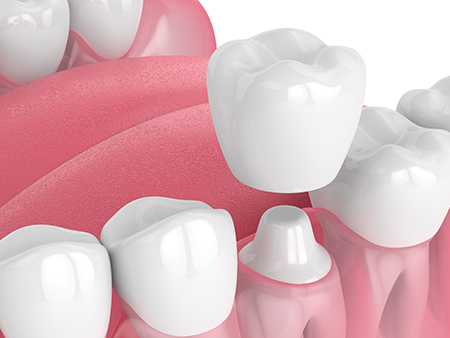
A crown is a full-coverage restoration that replaces the visible portion of a tooth. Dentists typically recommend crowns when a tooth has lost too much structure to be reliably restored with a filling alone. Crowns protect what remains of the tooth, restore chewing function, and can correct shape and color concerns in a single restoration.
Common reasons a crown may be recommended include extensive decay that weakens the tooth, fractures or large broken fillings that leave insufficient structure, and teeth that have been treated with root canal therapy and require reinforcement. Crowns are also the preferred restoration for covering dental implants and for anchoring traditional bridgework when adjacent teeth serve as abutments.
In addition to structural reasons, crowns are often used for aesthetic improvements when a tooth is badly discolored, misshapen, or out of proportion with the surrounding teeth. Because crowns fully encase the tooth, they offer an opportunity to harmonize color and contour while delivering the strength necessary for daily function.
-
To restore teeth with extensive decay or physical damage
-
To replace or repair a large or fractured filling
-
To restore and protect a dental implant
-
To support the ends of a traditional dental bridge
-
To strengthen a tooth after root canal therapy
-
To improve the appearance of a discolored, misshapen, or undersized tooth
-
To correct bite-related wear or alignment concerns
Advantages of metal-free ceramic crowns
All-ceramic crowns deliver a combination of aesthetics and compatibility that makes them an excellent choice for many patients. Unlike restorations with metal substructures, ceramic crowns transmit and reflect light in a way that closely resembles natural enamel, helping them blend seamlessly into the smile. This translucency is particularly valuable for front teeth and any visible areas.
Beyond appearance, modern ceramic materials are engineered for strength and longevity. Innovations such as lithium disilicate and various zirconia formulations have closed the gap between cosmetic appeal and functional performance. These ceramics resist staining, are gentle on surrounding soft tissues, and eliminate concerns for patients with metal sensitivities.
Another practical advantage is that many ceramic solutions can be designed with less aggressive tooth reduction than older crown types, preserving more of the natural structure whenever clinically appropriate. The result is a restoration that looks natural, feels comfortable, and supports healthy surrounding tissues over time.
-
Superior optical properties that mimic natural tooth translucency and luster
-
Conservative preparation options that can preserve more tooth structure
-
Lighter weight and metal-free construction for improved tissue response
-
High resistance to staining and discoloration
-
Suitable for patients with metal sensitivities or allergy concerns
-
No visible metal margin at the gumline, which enhances long-term aesthetics
Matching crown materials to your clinical needs
Not all ceramic crowns are identical; each material family has strengths that make it better suited for certain teeth and situations. The choice depends on factors such as the crown’s location, biting forces, aesthetic priorities, and the amount of remaining tooth structure. A careful assessment helps determine the best option for a predictable result.
Lithium disilicate ceramics are prized for their balance of strength and lifelike appearance, often used where the look of the restoration is a top priority. Engineered zirconias provide exceptional durability and are a strong choice for posterior crowns or for patients who place heavy demands on their restorations. Some systems combine materials to optimize both function and aesthetics.
We evaluate each case individually to match the material to your smile goals. That review includes an assessment of occlusion (bite), adjacent restorations, and the condition of the underlying tooth. When appropriate, we select materials that minimize the need for excessive tooth preparation while delivering a restoration that will perform well for years.
-
Lithium Disilicate Porcelain Crowns
-
Leucite-Reinforced Pressable Porcelain Crowns
-
Solid or Monolithic Zirconia
-
High-Translucency Zirconia
At Pleasant Dental, we carefully analyze your smile’s functional and aesthetic requirements to formulate a treatment plan that's right for you. You can rely on our team to recommend the ceramic option that best suits the long-term needs of your smile while meeting your expectations for appearance.
What to expect during crown treatment
The crown process typically begins with a comprehensive evaluation and diagnostic imaging to map the tooth’s condition and determine the appropriate preparation. Treatment can often be completed using digital impressions and CAD/CAM design, which improves fit and shortens turnaround time. When a temporary restoration is necessary, it protects the prepared tooth while the final crown is fabricated.
On the day the crown is placed, we verify color, shape, and occlusion to make sure the restoration integrates seamlessly. The final cementation step secures the crown and restores full function. After placement, routine oral hygiene and regular dental visits help maintain the restoration and the surrounding teeth and gums.
Patients may experience mild sensitivity after preparation, but this usually resolves quickly. We provide clear aftercare instructions and follow-up recommendations to ensure the restoration settles comfortably and performs as expected. With proper care, ceramic crowns can offer many years of dependable service.
Why choose our practice for ceramic crown care
Choosing the right provider for restorative work is as important as choosing the right material. Our team emphasizes clear communication, conservative treatment planning, and the use of contemporary ceramic systems to achieve both strength and beauty in every restoration. We combine clinical experience with digital tools to deliver predictable outcomes.
Our approach centers on assessing each tooth as part of the whole smile—considering bite dynamics, adjacent restorations, and the health of the gums—so that crowns perform well functionally and look natural. We work with experienced dental technicians and use precise fabrication methods to match shade and anatomy closely.
Throughout treatment, our priority is patient comfort and understanding. We take time to explain options, expected outcomes, and care recommendations so you feel confident about your restoration. When durable, natural-looking results are the goal, many patients prefer the advantages offered by ceramic crowns.
In summary, ceramic crowns provide a versatile, aesthetic, and biocompatible option for restoring compromised teeth. If you would like to learn more about how a ceramic crown might benefit your smile, please contact us for additional information and to discuss next steps.